Experience & Engagement
Whole-site password protection
Lock the site pre-launch or for private access
In one sentence
What it is
Whole-site password protection locks the entire storefront behind a single shared password, letting a brand run a private, pre-launch or invite-only site without it being publicly accessible.
How it works
What it does
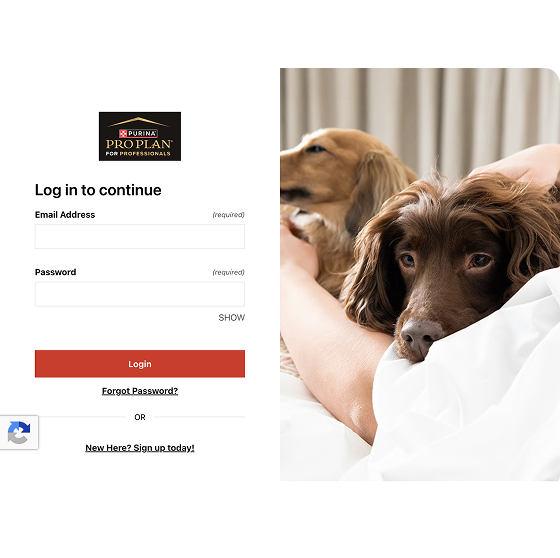
When enabled, every visitor to the site is shown a password prompt before they can see any page. The brand sets and controls the password and can change or remove it at any time. This is typically used ahead of a public launch — so the live site can be built, tested and shown to stakeholders on the real domain without competitors or customers stumbling onto it early — or for genuinely private sites intended only for a specific invited audience. It's a simple toggle, not a bespoke access-control system, so it suits an all-or-nothing gate rather than granular permissions.
The problem it solves
Why it matters
For the brand
Building and testing a new site or major relaunch on its real, public domain risks it being discovered, indexed by search engines or leaked before launch day — undermining the surprise of a launch and potentially tipping off competitors.
For their customers
For invite-only or private storefronts, customers need confidence that the site genuinely isn't open to the general public, so their invited access feels meaningful and secure.
For shoppers
How it benefits shoppers
- Invited customers get a genuinely exclusive, private shopping environment when that's the intent.
- No risk of stumbling onto an unfinished or unready site before it's meant to be seen.
- A clean, polished first impression on launch day rather than a half-built preview.
- Simple, single-password access rather than a cumbersome account-creation process for private previews.
For the brand
How it benefits the brand
Protects pre-launch sites from early discovery or competitor visibility
Launch-readiness risk
Enables safe stakeholder review and testing on the live, real domain
Pre-launch QA quality and speed
Supports genuinely private or invite-only storefront models
Feasibility of private sales channels
No bespoke build required — a simple toggle rather than a project
Time to implement
In practice
What it looks like
- 1
A brand's new site is built and content-populated on the real domain ahead of a public launch date.
- 2
Whole-site password protection is switched on, so any visitor is met with a password prompt.
- 3
The team shares the password with internal stakeholders and select partners for review and sign-off.
- 4
On launch day, the protection is switched off and the site becomes publicly accessible.
Where it lands hardest
Strong use cases by industry vertical
Health & nutrition
Useful during a major relaunch or rebrand where the brand wants to avoid early competitor visibility of new claims or positioning.
Beauty & personal care
Commonly used ahead of high-anticipation launches where secrecy before the reveal date is part of the marketing strategy.
Food, drink & FMCG
Relevant for pre-launch builds, though less commonly tied to secrecy-driven launch strategies than in beauty or fashion.
Pet care
Standard pre-launch use case; no particular category distinction.
Fashion & apparel
Well suited to fashion, where drop-based launches benefit from the site being invisible until the exact reveal moment.
Luxury & premium
Also fits invite-only luxury retail models, where a genuinely private, password-gated site can be the entire commercial model, not just a pre-launch state.
Common questions & objections
What clients usually ask
Why the platform version wins
Unlike hosting a pre-launch build on a throwaway staging URL that still risks discovery or requires a migration on launch day, this protects the real domain directly, so launch is a config switch, not a cutover.