Checkout & Payments
Tax & cross-border duty
Real-time tax and import-duty calculation
In one sentence
What it is
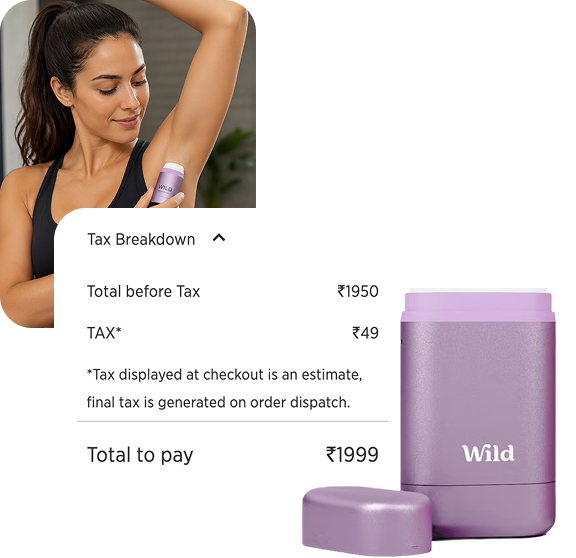
Real-time tax and import-duty calculation shows a shopper the true landed cost at checkout, so nothing arrives with an unexpected customs bill attached.
How it works
What it does
At checkout the platform calculates the correct tax treatment for the shopper's market and, for cross-border orders, the applicable import duty — presenting a single total that reflects what the order will actually cost. It works from the catalogue's enriched data, including customs and HS codes applied automatically during product enrichment, so classification isn't a manual job per SKU. Rules vary by market and are maintained centrally, which means opening a new destination doesn't require rebuilding tax logic.
The problem it solves
Why it matters
For the brand
Unexpected duty on delivery is one of the most damaging things that can happen to an ecommerce brand: the parcel is refused, the refund and return shipping are paid twice over, and the customer leaves a review warning everyone else. It also makes international expansion look unprofitable when the real problem is presentation of cost.
For their customers
Being asked for an unexpected payment by a courier before they can receive something they've already paid for feels like being tricked. Most refuse the parcel, and none of them order again.
For shoppers
How it benefits shoppers
- See the real, final cost before paying — no charge waiting at the door.
- Correct local tax treatment shown in their own currency.
- Confidence to buy from an overseas brand at all, which is the barrier for most cross-border shoppers.
- No refused parcels, no chasing refunds, no arguing with a courier.
For the brand
How it benefits the brand
Cross-border conversion rises when landed cost is transparent
International conversion rate
Refused deliveries and duty-related returns fall sharply
Refusal rate, return shipping cost
Duty complaints stop consuming service capacity
Contacts per international order
New markets open without bespoke tax engineering
Time to open a market
Protects review scores and repeat purchase internationally
Review score, repeat rate by market
In practice
What it looks like
- 1
A shopper outside the UK builds a basket and reaches checkout.
- 2
The total updates to include local tax treatment and the applicable import duty for their destination.
- 3
They see one figure and understand it's the final one.
- 4
The parcel arrives with nothing further to pay, and the experience is unremarkable — which is exactly the goal.
Where it lands hardest
Strong use cases by industry vertical
Health, wellness & nutrition
Supplements attract varied classification and restriction rules by market; correct duty treatment sits alongside the compliance checks these products already need.
Beauty & personal care
High cross-border demand for prestige brands and hard-to-source lines; landed-cost clarity is what converts that demand.
Food, drink & FMCG
Complex duty and restriction rules make accurate classification essential — and alcohol in particular carries market-specific treatment.
Pet care
Weight-driven shipping and duty on bulky food make landed cost the deciding factor in whether a cross-border order is viable at all.
Fashion & apparel
Duty thresholds bite frequently at typical fashion basket values, and the category's high return rate compounds every duty error.
Luxury & premium lifestyle
The highest stakes. Duty on a high-value item is a large sum, and a customs surprise is entirely incompatible with a luxury promise.
Common questions & objections
What clients usually ask
Why the platform version wins
Tax and duty are calculated inside the same checkout as payment, fraud screening and delivery — from catalogue data that was enriched with customs codes at ingestion. A bolt-on duty calculator has to be fed that classification data separately, which is precisely where it goes wrong.