Experience & Engagement
Shop the Look
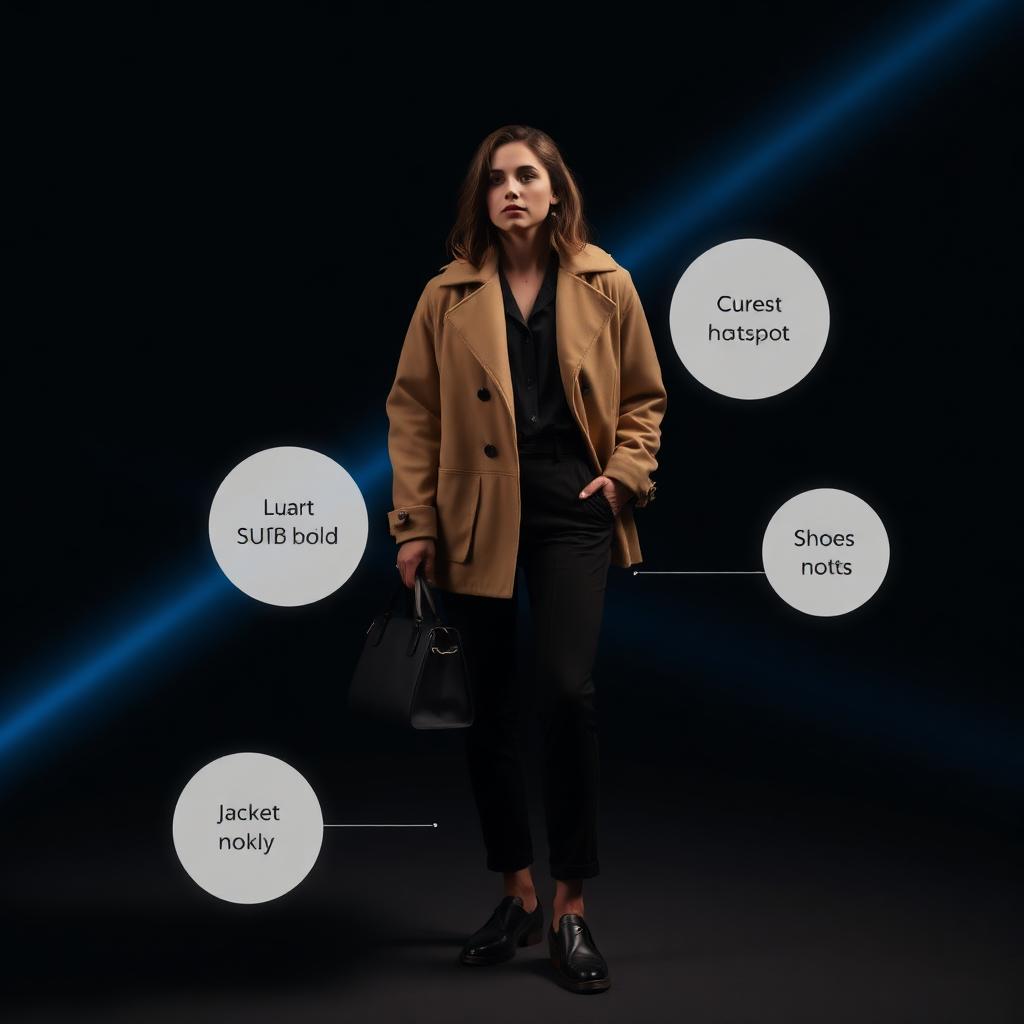
Clickable hotspots on a lifestyle image open the featured products
In one sentence
What it is
Shop the Look turns a lifestyle image into a shoppable one: clickable hotspots sit on the products in the shot, so a customer inspired by the styling can buy the pieces without hunting for them.
How it works
What it does
A merchandiser uploads a lifestyle or editorial image and places hotspots on it, each linked to a product. On the storefront the hotspots animate subtly to invite a tap; selecting one opens the product with live price and availability, and the item can be added to the basket without leaving the page. It works inside any content page — home page, campaign landing page, brand hub or editorial article — and on mobile the hotspots fall back to a swipeable product tray so nothing depends on precise tapping.
The problem it solves
Why it matters
For the brand
Brands spend heavily on photography and social content that inspires but doesn't convert, because the route from 'I want that look' to 'in my basket' runs through a search box. Every step in that gap leaks revenue, and it makes creative spend impossible to attribute.
For their customers
They see an outfit, a room or a routine they like and then have to work out what each item is called, search for it, and hope they've found the right variant. Most people give up after the first product.
For shoppers
How it benefits shoppers
- Buy what they can see, immediately — no guessing product names or scrolling a category to find a match.
- Discover the supporting products they didn't know to look for, in the context that made them want it.
- Confidence that they're buying the exact item in the picture, not an approximation.
- A browsing experience that feels like the social content they came from, rather than a catalogue.
For the brand
How it benefits the brand
Converts inspiration content into direct sales
Content page conversion rate
Lifts units per order through styled cross-sell
Average order value, items per basket
Existing photography works harder with no new shoot
Return on creative spend
Surfaces accessory and secondary lines that get ignored in listings
Long-tail SKU sell-through
Merchandisers control the story and the products in it
Campaign turnaround time
In practice
What it looks like
- 1
A shopper lands on a campaign page and sees a full-bleed lifestyle image with three pulsing hotspots.
- 2
They tap the hotspot on the jacket; a card slides in with the name, price, available sizes and a photo.
- 3
They add it to the basket from the card and the page stays where it was.
- 4
They tap the second hotspot and add the accessory too — two products, no searching, no page changes.
Where it lands hardest
Strong use cases by industry vertical
Health, wellness & nutrition
Works as a 'shop the regimen' device — a flat-lay of the morning stack with each product tagged, which sells the routine rather than a single tub.
Beauty & personal care
Very strong. A finished makeup look or a shelfie of a skincare routine is the most natural multi-product sell in retail; hotspots remove the shade-matching guesswork.
Food, drink & FMCG
Good for occasion merchandising — a laid table, a hamper, a brunch spread — where the basket is the point and individual items are cheap to add.
Pet care
Moderate fit: useful for kit-based purchases (new puppy setup, travel gear), less so for repeat food buying.
Fashion & apparel
The original and best use case. Outfit-led buying is how the category works, and hotspots convert the lookbook directly.
Luxury & premium lifestyle
Effective if styled restrainedly — subtle hotspot markers and generous imagery preserve the editorial feel that luxury shoppers expect.
Common questions & objections
What clients usually ask
Why the platform version wins
Third-party shoppable-image tools sit in an iframe with their own copy of your catalogue, which goes stale and slows the page. Here the hotspots read the same live product, price and stock data as the product page, and the add-to-basket is the platform's real basket.