Discovery & Personalisation
Product personalisation
Custom text/engraving with input whitelisting
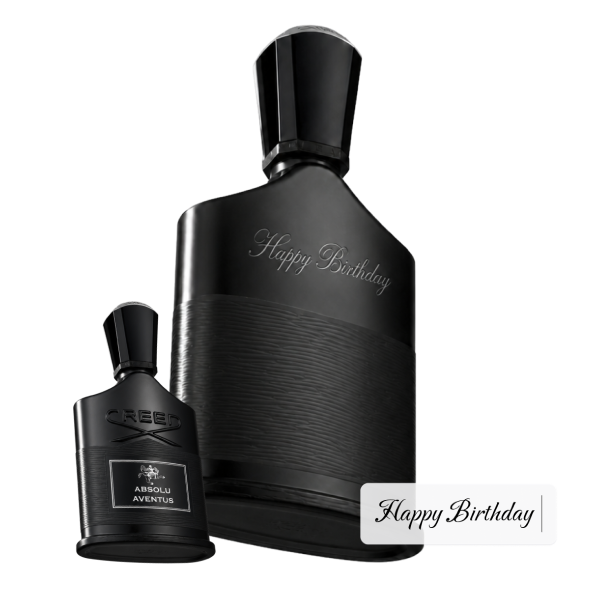
In one sentence
What it is
Product personalisation lets a shopper add custom text or engraving to eligible products directly at the point of purchase, turning a standard item into a one-off with built-in controls to keep what's submitted appropriate.
How it works
What it does
On eligible product pages, the shopper is offered a personalisation field — engraving text, a monogram, a custom message — which they complete before adding the item to basket. Input whitelisting checks what's submitted against allowed characters, length limits and prohibited content, so the brand isn't manually reviewing every submission for problems before production. The brand controls which products offer personalisation, the character limits and formatting rules, and what happens downstream (a production or fulfilment flag that the item needs bespoke handling before it ships).
The problem it solves
Why it matters
For the brand
Personalisation drives a real premium and gift-market advantage, but offering free-text input without safeguards risks receiving inappropriate, unproducible or maliciously long submissions that then have to be caught manually before an item goes into production.
For their customers
A personalised item, especially as a gift, needs to feel considered and correct — a typo, a rejected order after the fact, or unclear rules about what's allowed undermines the entire point of personalising it.
For shoppers
How it benefits shoppers
- Turn a standard product into a genuinely personal gift or item in a couple of extra taps.
- Clear rules up front about what's allowed, avoiding a rejected order after the fact.
- Confidence the input will be produced exactly as entered, since it's validated before submission.
- No separate customisation tool or download needed — it's part of the normal product page flow.
For the brand
How it benefits the brand
Opens a premium, higher-margin personalised product line
Attach rate and margin on personalised SKUs
Input whitelisting reduces manual review and production errors
Rejected or reworked personalisation orders
Strong gifting-season revenue driver
Personalised-product revenue at peak gifting periods
Configurable rules per product avoid a one-size-fits-all constraint
Product-level personalisation flexibility
In practice
What it looks like
- 1
A shopper selects a personalised item and is shown a text field with a clear character limit.
- 2
They enter a name for engraving; the whitelist rejects one disallowed character and prompts a correction.
- 3
They resubmit valid text and add the item to basket, seeing a preview of what will be produced.
- 4
The order carries a personalisation flag through to fulfilment, so production knows it needs bespoke handling.
Where it lands hardest
Strong use cases by industry vertical
Health & nutrition
Honest note: limited natural fit — personalisation here is uncommon beyond niche gifting formats like customised supplement labels.
Beauty & personal care
Good fit for engraved compacts, monogrammed packaging or personalised gift sets, particularly at gifting occasions.
Food, drink & FMCG
Works well for personalised labels on bottles, hampers or gift tins, especially around seasonal gifting.
Pet care
Strong fit — personalised pet tags, bowls and bedding with a pet's name are a well-established gifting category.
Fashion & apparel
Good fit for monogramming and initials on bags, accessories and apparel.
Luxury & premium
Strong fit — engraving and monogramming are long-established value-adds in luxury gifting.
Common questions & objections
What clients usually ask
Why the platform version wins
The validation runs at the point of input rather than as a manual review step after the order is placed, which is what keeps personalisation commercially viable at volume instead of requiring a person to check every submission.