Loyalty & Relationships
Forced login
Gate the whole site to logged-in users (private/trade sites)
In one sentence
What it is
Gates an entire site behind login, so trade customers, members or pre-launch audiences see nothing until they're recognised.
How it works
What it does
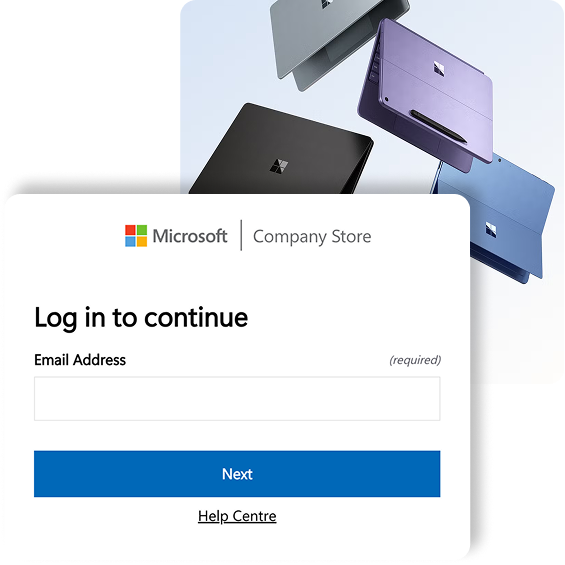
When enabled, the whole storefront — not just checkout or account pages — requires a logged-in session before a visitor can browse. It's built for private and trade scenarios: a wholesale site only existing customers should see, a members-only shop, or a site being kept invisible ahead of a public launch. The brand controls who can log in (via the same account system as the rest of the platform) and what happens to a visitor who isn't logged in, typically a login or request-access screen instead of the storefront. Because it's a configured feature rather than standard, turning it on and defining the access rules is a request to the product team, not a self-serve toggle.
The problem it solves
Why it matters
For the brand
Some businesses genuinely shouldn't show pricing or product ranges to the public — trade terms, private members, or a catalogue that isn't ready for a general audience. Without a way to gate the entire site, brands are forced into workarounds like a separate microsite or manual access lists.
For their customers
Trade and private customers expect their commercial relationship to feel exclusive and controlled, not exposed on the open web next to consumer pricing that undercuts their terms.
For shoppers
How it benefits shoppers
- Trade or member customers see a catalogue and pricing built specifically for them, not the public site.
- Confidence that commercially sensitive terms aren't visible to competitors or the general public.
- A single recognised login gives access to the whole relevant site immediately.
- For pre-launch use, invited early customers get a clean first look without the public also seeing it.
For the brand
How it benefits the brand
Trade and wholesale pricing stays private rather than being scraped or exposed publicly
Commercial confidentiality
Pre-launch sites can be built and tested live without being publicly discoverable
Launch readiness, leak risk
One platform serves both a public consumer brand and a gated trade or member experience
Platform consolidation vs running separate sites
Access rules are controlled centrally rather than through ad-hoc manual processes
Operational overhead
In practice
What it looks like
- 1
A brand needs a private site for trade customers ahead of a public launch.
- 2
The product team configures forced login and the access rules for who can log in.
- 3
A visitor without a session reaches only a login or request-access screen — the storefront itself is invisible.
- 4
An approved trade customer logs in and sees the full site built for them.
Where it lands hardest
Strong use cases by industry vertical
Health & nutrition
Relevant for practitioner or trade channels selling supplements to clinics and professionals at different terms to consumers.
Beauty & personal care
Used for salon or professional-only ranges where consumer and trade pricing must stay separate.
Food, drink & FMCG
Fits wholesale and trade ordering for retailers and hospitality buying at volume terms.
Pet care
Applicable to veterinary or trade channels, though less common than in health or beauty.
Fashion & apparel
Honest note: weak fit for consumer fashion, where visibility drives discovery — relevant mainly for B2B showroom or trade-order sites.
Luxury & premium
Useful for invite-only pre-launch drops or private client sites, where exclusivity is part of the brand experience itself.
Common questions & objections
What clients usually ask
Why the platform version wins
Because forced login sits on the same account and configuration layer as the rest of the platform, a gated trade or pre-launch site isn't a bolted-on separate build — it's the same commerce engine with the front door locked.