Experience & Engagement
Cookie consent
OneTrust or native banner
In one sentence
What it is
A configurable cookie consent banner via OneTrust, Didomi or a native option, captures and manages shopper consent choices, keeping the site compliant with privacy regulation across the markets it trades in.
How it works
What it does
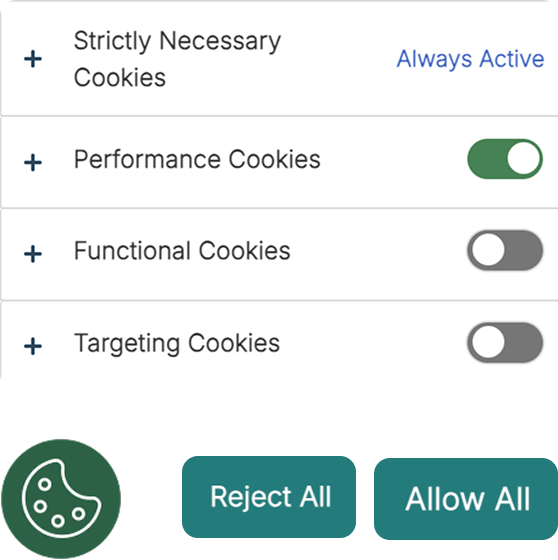
On first visit, a shopper sees a consent banner explaining what cookies are used for and letting them accept, reject or customise categories of tracking (essential, analytics, marketing, and so on). Their choice is recorded and respected — scripts and trackers in categories they've declined simply don't fire. The brand can run this through OneTrust for full policy management and jurisdiction-specific rules, or a simpler native banner where that level of sophistication isn't needed, and controls the banner's wording, styling and which cookie categories are offered.
The problem it solves
Why it matters
For the brand
Trading across multiple jurisdictions means multiple, sometimes conflicting, consent regulations (UK/EU GDPR, and equivalents elsewhere). Getting this wrong risks fines, regulatory action and reputational damage, and doing it manually per market is a significant ongoing compliance burden.
For their customers
Shoppers increasingly expect to be asked properly before being tracked, and a confusing, dark-pattern or missing consent banner erodes trust in the brand before they've even started browsing.
For shoppers
How it benefits shoppers
- A clear, upfront choice about what data is collected about them, rather than silent tracking.
- Genuine control to accept only what they're comfortable with, category by category.
- Confidence the site takes their privacy seriously, which supports trust in the brand more broadly.
- Consistent consent handling regardless of which of the brand's markets they're shopping in.
For the brand
How it benefits the brand
Keeps the brand compliant across the jurisdictions it trades in
Regulatory compliance / audit readiness
Reduces legal and reputational risk from non-compliant tracking
Compliance incident rate
Centralises consent management rather than per-market manual handling
Compliance operational overhead
Preserves shopper trust at the very first interaction with the site
Bounce rate on landing, brand trust metrics
In practice
What it looks like
- 1
A first-time visitor lands on the site and sees a consent banner summarising cookie categories.
- 2
They choose to accept analytics but decline marketing cookies.
- 3
Marketing scripts are prevented from running for that session; analytics continues as permitted.
- 4
On a later visit their previous choice is remembered, and they can revisit and change it via a link in the footer.
Where it lands hardest
Strong use cases by industry vertical
Health & nutrition
Particularly important given the sensitivity of health-adjacent browsing data and the trust expectations of the category.
Beauty & personal care
Standard requirement across the category; no particular strengths or weaknesses versus other verticals.
Food, drink & FMCG
Standard compliance requirement, with no distinct category-specific nuance.
Pet care
Standard requirement; no meaningful category difference in how this applies.
Fashion & apparel
Standard requirement; relevant mainly at the scale and number of markets a fashion brand trades across.
Luxury & premium
Worth getting the banner styling right so a legally necessary interruption doesn't feel at odds with a premium first impression.
Common questions & objections
What clients usually ask
Why the platform version wins
Rather than a generic embedded script that sits outside the platform's own tracking, consent choices here actually gate which scripts and trackers run on the site, so compliance isn't just cosmetic.