Discovery & Personalisation
AI shopping assistant
Conversational, multimodal product discovery
Live — select brands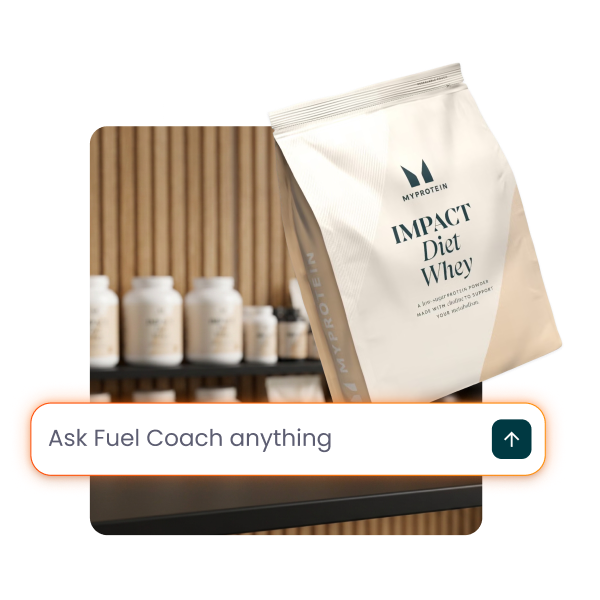
In one sentence
What it is
A conversational, multimodal assistant that lets shoppers describe or show what they're looking for in their own words and be guided to the right product — the online equivalent of asking a knowledgeable member of staff.
How it works
What it does
The assistant accepts natural language and imagery rather than keywords: a shopper can describe a problem, an occasion or a constraint, or upload a photo, and get a considered recommendation drawn from the live catalogue, with the reasoning explained and the products ready to add to basket. It handles follow-up questions, so the conversation narrows rather than restarting. It's delivered as an integration and is currently live with selected brands, so scope and rollout are agreed per brand rather than switched on universally.
The problem it solves
Why it matters
For the brand
Search and facets only serve shoppers who already know the vocabulary of the category. Everyone else — the majority in considered categories — needs advice, and the only scalable version of advice most brands have is a FAQ page. That gap is where high-value baskets are lost.
For their customers
They know their problem, not the product name. 'Something for redness that won't clash with my retinol' isn't a search query, and typing an approximation returns a list they aren't qualified to choose from.
For shoppers
How it benefits shoppers
- Ask in plain language, or show a photo, instead of guessing the right search term.
- Get a reasoned recommendation with an explanation, not an undifferentiated list.
- Refine through follow-up questions the way they would with a person in store.
- Reach a confident decision in one conversation rather than a dozen product pages.
For the brand
How it benefits the brand
Serves shoppers who don't know the category vocabulary
Conversion among non-expert visitors
Guided recommendations build larger, better-matched baskets
Average order value, items per basket
Better-matched purchases come back less often
Return rate
Deflects pre-sales questions from the contact centre
Contact rate per order, service cost
Conversation logs expose demand and confusion in the range
Unmet-demand insight, content gaps
In practice
What it looks like
- 1
A shopper opens the assistant and types that they need a gift for someone who likes strong coffee but has a small kitchen.
- 2
The assistant asks one clarifying question about budget.
- 3
It returns three options with a short reason for each, drawn from live stock.
- 4
The shopper adds one to the basket directly from the conversation.
Where it lands hardest
Strong use cases by industry vertical
Health, wellness & nutrition
High value, high care. Goal-based guidance is exactly the ask — but responses must stay within permitted claims, so scope and guardrails are agreed with the brand up front.
Beauty & personal care
Excellent fit. Routine building, ingredient conflicts and concern-led discovery are genuinely advisory problems that keyword search cannot serve.
Food, drink & FMCG
Good for occasion, gifting and recipe-led baskets, where the shopper's intent is a situation rather than a product.
Pet care
Strong. Species, breed, age and dietary sensitivity combine into a genuinely hard product-selection problem that owners want help with.
Fashion & apparel
Best used multimodally — a photo of a look becomes 'find me something like this', which is close to how the category is actually shopped.
Luxury & premium lifestyle
Only with a carefully written persona. A generic chatbot damages a luxury brand; a well-briefed digital concierge extends it.
Common questions & objections
What clients usually ask
Why the platform version wins
The assistant is grounded in the platform's live catalogue, price and stock, and adds to the platform's real basket — so its answers stay true as the range changes, and a recommendation converts in the same session rather than becoming another search the shopper has to run.