Checkout & Payments
3DS / SCA
Strong customer authentication
In one sentence
What it is
3DS and strong customer authentication verify a shopper's identity with their card issuer during payment, applied automatically per market's regulatory requirements, so payments are compliant without adding friction where it isn't legally required.
How it works
What it does
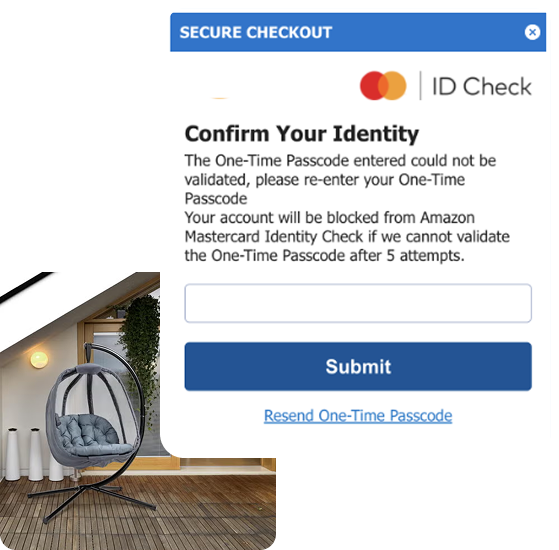
During checkout, the platform applies 3D Secure and strong customer authentication where the shopper's market requires it — for example under European PSD2 regulation — routing the shopper through their bank's verification step (a one-time code, biometric confirmation, or an app approval) before the payment completes. Where a market doesn't mandate it, or an exemption applies, the extra step is skipped so the checkout stays as fast as it can legitimately be. This runs as standard behaviour within the payment flow for every market on the platform, so it isn't something a brand configures or builds themselves.
The problem it solves
Why it matters
For the brand
Getting strong customer authentication wrong is a compliance risk with real financial consequences — failing to apply it where required exposes the brand to liability for fraudulent transactions and regulatory penalties, while applying it everywhere unnecessarily adds friction and depresses conversion.
For their customers
An unfamiliar or badly implemented verification step at the point of paying — one that fails, times out, or looks suspicious — can be enough to make a shopper abandon a payment they were genuinely trying to complete.
For shoppers
How it benefits shoppers
- Payment is protected by verification with their own bank, reducing the risk of card misuse.
- The extra step only appears where it's genuinely required, not as needless friction everywhere.
- A familiar verification flow (their bank's own app or one-time code) rather than an unfamiliar third-party step.
- Fewer failed or declined payments caused by incorrect authentication handling.
For the brand
How it benefits the brand
Removes liability exposure for fraudulent transactions where authentication is correctly applied
Chargeback liability shift
Meets regulatory requirements automatically across every market on the platform
Compliance coverage, audit readiness
Avoids unnecessary friction where authentication isn't legally required
Checkout completion rate
No bespoke build needed per market as regulation and provider rules evolve
Engineering time avoided per market change
In practice
What it looks like
- 1
A shopper in the EU reaches the payment step and enters their card details.
- 2
Because PSD2 applies, they're routed to a verification step through their bank's app.
- 3
They approve the payment on their phone and are returned to the checkout automatically.
- 4
The order confirms, with the transaction protected by verified authentication.
Where it lands hardest
Strong use cases by industry vertical
Health & nutrition
Applies uniformly, as with every vertical — no category-specific variation, since this is a payment and regulatory layer rather than a merchandising one.
Beauty & personal care
Applies uniformly across the category.
Food, drink & FMCG
Applies uniformly across the category, though smaller basket values in this vertical make unnecessary friction particularly costly if applied where not required.
Pet care
Applies uniformly across the category.
Fashion & apparel
Applies uniformly across the category.
Luxury & premium
Applies uniformly, though high-value transactions in this vertical mean authentication failures are particularly costly to abandon, making correct exemption handling especially valuable.
Common questions & objections
What clients usually ask
Why the platform version wins
Because authentication is handled as standard behaviour within the shared payment flow rather than a bolt-on compliance layer, it updates for every brand on the platform as regulation and provider requirements change, rather than needing a separate remediation project per storefront.